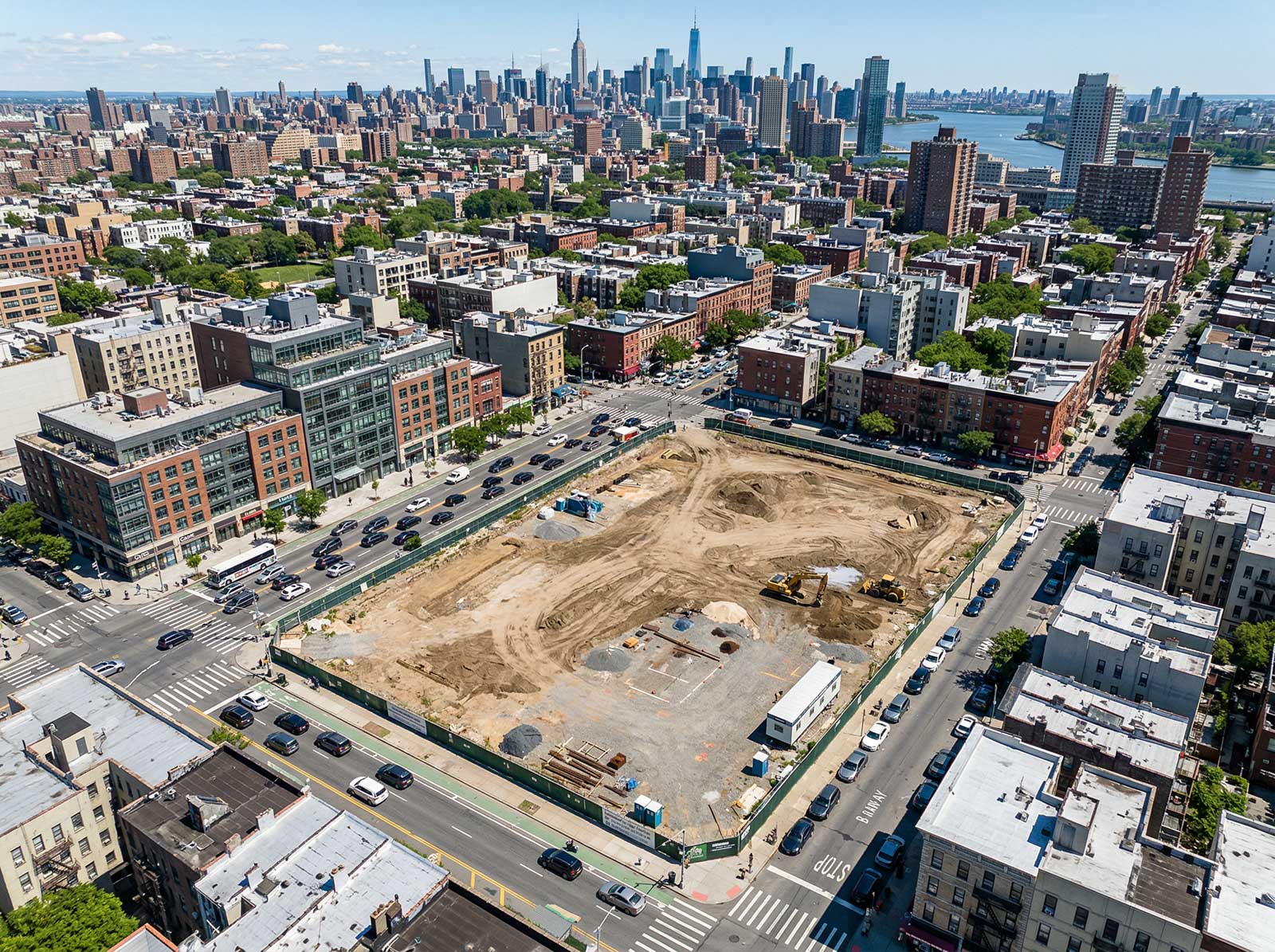
Evaluating land is one of the most important decisions in real estate development. Before committing capital to acquire a property, developers must determine whether the site can support a viable project from both a regulatory and financial standpoint.
Land that appears attractive at first glance may present hidden challenges related to zoning, infrastructure, environmental conditions, or construction costs. As a result, developers conduct extensive due diligence before deciding whether to move forward with a land acquisition.
This process typically involves a combination of market analysis, zoning research, financial modeling, and site investigation.
The Importance of Land Evaluation
In real estate development, land represents the foundation of the entire project. A well-chosen site can support a successful development, while a poorly chosen one can create financial and regulatory obstacles that are difficult to overcome.
Developers therefore approach land evaluation with a structured process designed to identify both opportunities and risks early in the development timeline.
Key objectives include:
- Determining whether the site can support the intended use
- Understanding regulatory constraints
- Estimating development costs
- Evaluating potential financial returns
Only after these factors are thoroughly analyzed will developers typically proceed with a purchase agreement.
Zoning and Land Use Regulations
One of the first steps in evaluating a development site is reviewing the property’s zoning designation.
Zoning regulations determine what types of buildings can be constructed on a property and may restrict factors such as:
- building height
- density
- setbacks
- parking requirements
- permitted uses
In some cases, developers may seek zoning changes or variances to allow a project that is not currently permitted under existing regulations.
Understanding zoning constraints early is essential because entitlement approvals can significantly affect project timelines.
Market Demand Analysis
Even if a site is physically suitable for development, the project must still align with market demand.
Developers evaluate local market conditions to determine whether there is sufficient demand for the proposed property type.
This analysis often includes reviewing:
- population growth trends
- employment growth
- rental rates and sale prices
- vacancy rates
- competing developments
For example, strong population growth and limited housing supply may support new multifamily construction, while expanding logistics activity may drive demand for industrial warehouse space.
Infrastructure and Utility Access
Access to infrastructure is another critical consideration in land evaluation.
Developers must confirm whether the site has access to essential utilities such as:
- water supply
- sanitary sewer
- electrical power
- telecommunications and fiber connectivity
- road access
If these services are not readily available, the cost of extending infrastructure can significantly increase project expenses.
In some cases, infrastructure limitations can prevent a project from moving forward altogether.
Site Conditions and Environmental Factors
Physical characteristics of the land can also influence development feasibility.
Developers often commission studies to evaluate potential environmental and geotechnical issues.
Common considerations include:
- soil conditions and bearing capacity
- flood zones and drainage patterns
- wetlands or protected areas
- environmental contamination
- topography and grading requirements
Addressing these factors early helps developers avoid costly surprises later in the development process.
Development Cost Estimates
Once a site appears feasible from a regulatory and physical standpoint, developers begin estimating project costs.
Major cost categories typically include:
- land acquisition costs
- site preparation and infrastructure
- building construction
- financing expenses
- professional services such as architects and engineers
Developers combine these costs with projected revenue estimates to determine whether the project can achieve acceptable investment returns.
Financial Feasibility and Returns
Financial feasibility ultimately determines whether a land acquisition moves forward.
Developers typically build a financial model that estimates:
- total development cost
- expected rental income or sales revenue
- operating expenses
- projected profit or investment return
This analysis helps determine whether the project meets the developer’s required return thresholds.
Risk Considerations
Land development involves significant uncertainty, and developers must carefully evaluate potential risks before committing capital.
Common risks include:
- regulatory delays or approval challenges
- unexpected construction costs
- shifts in market demand
- financing constraints
- infrastructure limitations
Managing these risks requires careful planning, experienced consultants, and thorough due diligence.
Final Thoughts
Evaluating land for development is a complex process that requires balancing regulatory requirements, market conditions, physical site characteristics, and financial feasibility.
Successful developers approach land evaluation methodically, identifying potential risks and opportunities before committing to a project.
By conducting detailed due diligence and financial analysis, developers can determine whether a site has the potential to support a successful development.
Subscribe to RealObserver
Stay ahead of the market. RealObserver covers New York Tri-state development, capital markets, and real estate intelligence every weekday. Subscribe free →