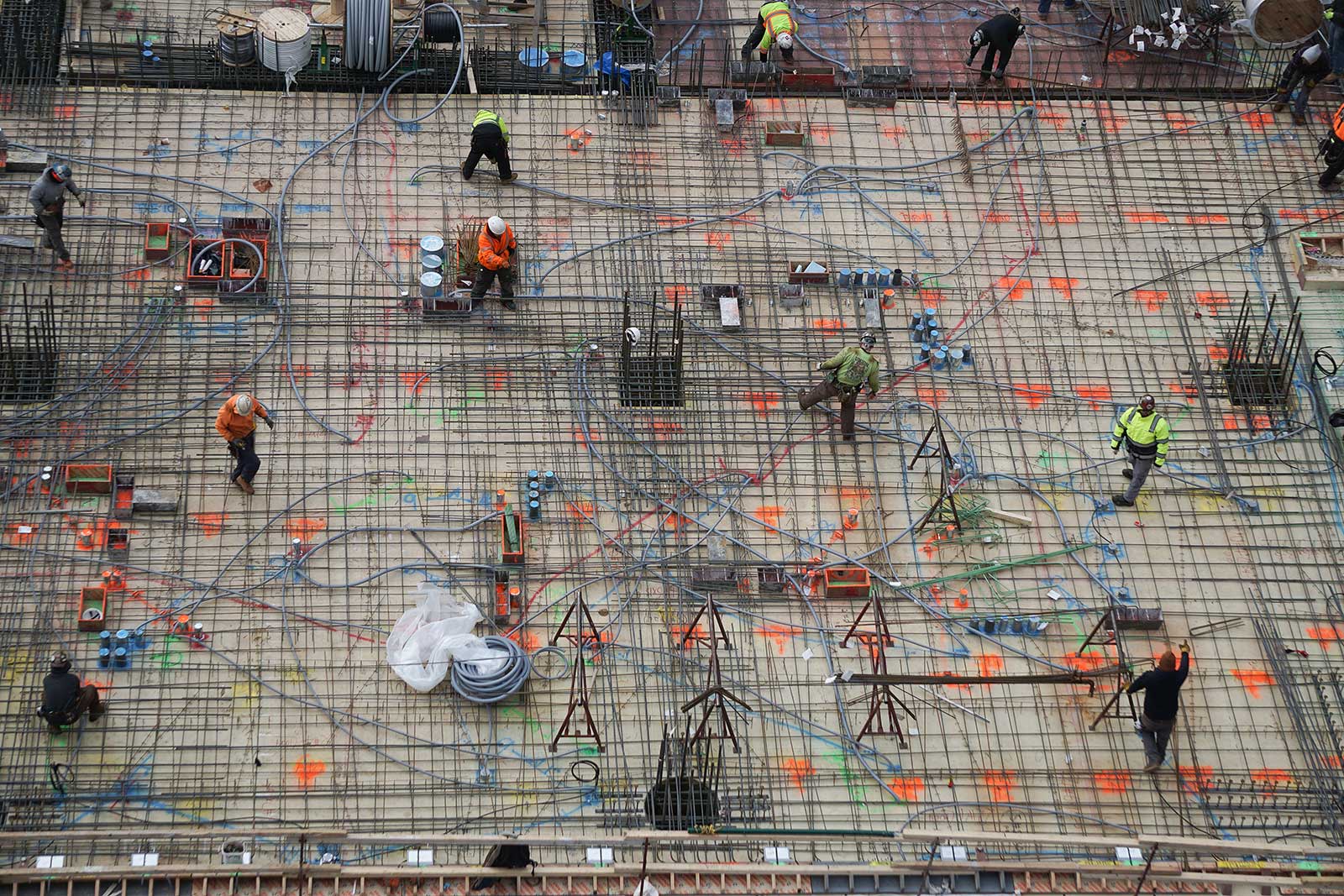
Construction costs are one of the most critical variables in any real estate development project. Whether developers are planning a multifamily building, logistics warehouse, or retail center, understanding construction cost benchmarks is essential for evaluating project feasibility.
Over the past several years, construction costs have experienced significant volatility due to labor shortages, supply chain disruptions, and rising material prices. As a result, developers and investors must carefully evaluate current cost conditions before moving forward with new projects.
This guide provides a general overview of construction cost ranges across several common asset classes and explains the key factors that influence building costs.
Why Construction Cost Benchmarks Matter
Construction costs directly impact a project’s financial feasibility. If costs increase beyond initial projections, expected returns may decline or the project may become financially unviable.
Developers rely on cost benchmarks during the early planning stages to estimate project budgets and determine whether a development opportunity warrants further analysis.
Typical cost estimates are expressed as cost per square foot, allowing developers to quickly compare potential projects across different property types and markets.
Average Construction Costs by Property Type
Construction costs vary significantly depending on the type of building being developed. The following ranges reflect general industry estimates for commercial construction projects in the United States.
Industrial / Warehouse Buildings
Industrial buildings are typically among the most cost-efficient asset classes due to their relatively simple structural systems and interior finishes.
Typical cost range:
- $90 – $160 per square foot
Key cost drivers include:
- ceiling height
- truck court and loading design
- specialized equipment or racking systems
- site work and grading requirements
Distribution facilities and logistics hubs may cost more when advanced automation systems are incorporated.
Multifamily Residential Buildings
Multifamily developments involve more complex mechanical systems, interior finishes, and building layouts.
Typical cost range:
- $180 – $350 per square foot
Cost variation depends on factors such as:
- building height and structure
- amenities and common areas
- parking structures
- interior finish quality
Luxury residential developments often exceed the upper end of these ranges.
Retail Buildings
Retail developments vary widely depending on the tenant mix and project design.
Typical cost range:
- $150 – $300 per square foot
Costs can increase significantly when projects include restaurants, entertainment venues, or specialized tenant build-outs.
Retail centers anchored by grocery stores or major tenants often require additional infrastructure such as loading docks, refrigeration systems, and large parking areas.
Office Buildings
Office developments typically involve higher construction costs due to more complex building systems and design requirements.
Typical cost range:
- $250 – $500 per square foot
Major cost drivers include:
- high-performance building envelopes
- advanced HVAC systems
- elevator systems
- architectural design elements
Class A office towers in major metropolitan markets may exceed these ranges significantly.
Major Factors That Influence Construction Costs
Construction costs are affected by a wide range of variables beyond the building type itself.
Labor Costs
Labor shortages have become a major challenge across the construction industry. Skilled trades such as electricians, plumbers, and structural steel workers are in high demand, which increases project costs.
Labor expenses often account for 30–50 percent of total construction costs.
Material Prices
Material costs can fluctuate significantly depending on global supply chains and economic conditions.
Common materials affecting project budgets include:
- steel
- concrete
- lumber
- mechanical equipment
- electrical components
Even modest changes in material prices can significantly affect large projects.
Site Conditions
Site preparation requirements can add substantial costs to a development project.
Examples include:
- soil remediation
- environmental cleanup
- rock excavation
- utility relocation
Projects with challenging site conditions may require additional engineering work and specialized construction techniques.
Building Design
Architectural complexity also plays a major role in determining construction costs.
Features that increase costs include:
- irregular building shapes
- curtain wall systems
- large atriums
- custom façade materials
- high-end interior finishes
Developers often engage in value engineering during the design phase to balance aesthetics and cost efficiency.
Construction Cost Trends
Construction costs have increased steadily in many markets over the past decade. Several structural factors continue to influence pricing across the industry:
• limited skilled labor supply
• increased regulatory requirements
• rising material costs
• longer project timelines
Developers are increasingly focused on improving cost predictability through early contractor involvement and detailed pre-construction planning.
Final Thoughts
Construction cost estimates are a fundamental component of real estate development analysis. While cost per square foot benchmarks provide a useful starting point, each project must ultimately be evaluated based on its specific design, location, and market conditions.
Developers, investors, and project managers rely on accurate cost estimates to determine whether a project is financially viable and to manage risk throughout the development process.
Understanding current construction cost trends is therefore essential for anyone involved in planning or evaluating real estate development projects.
Subscribe to RealObserver
Stay ahead of the market. RealObserver covers New York Tri-state development, capital markets, and real estate intelligence every weekday. Subscribe free →