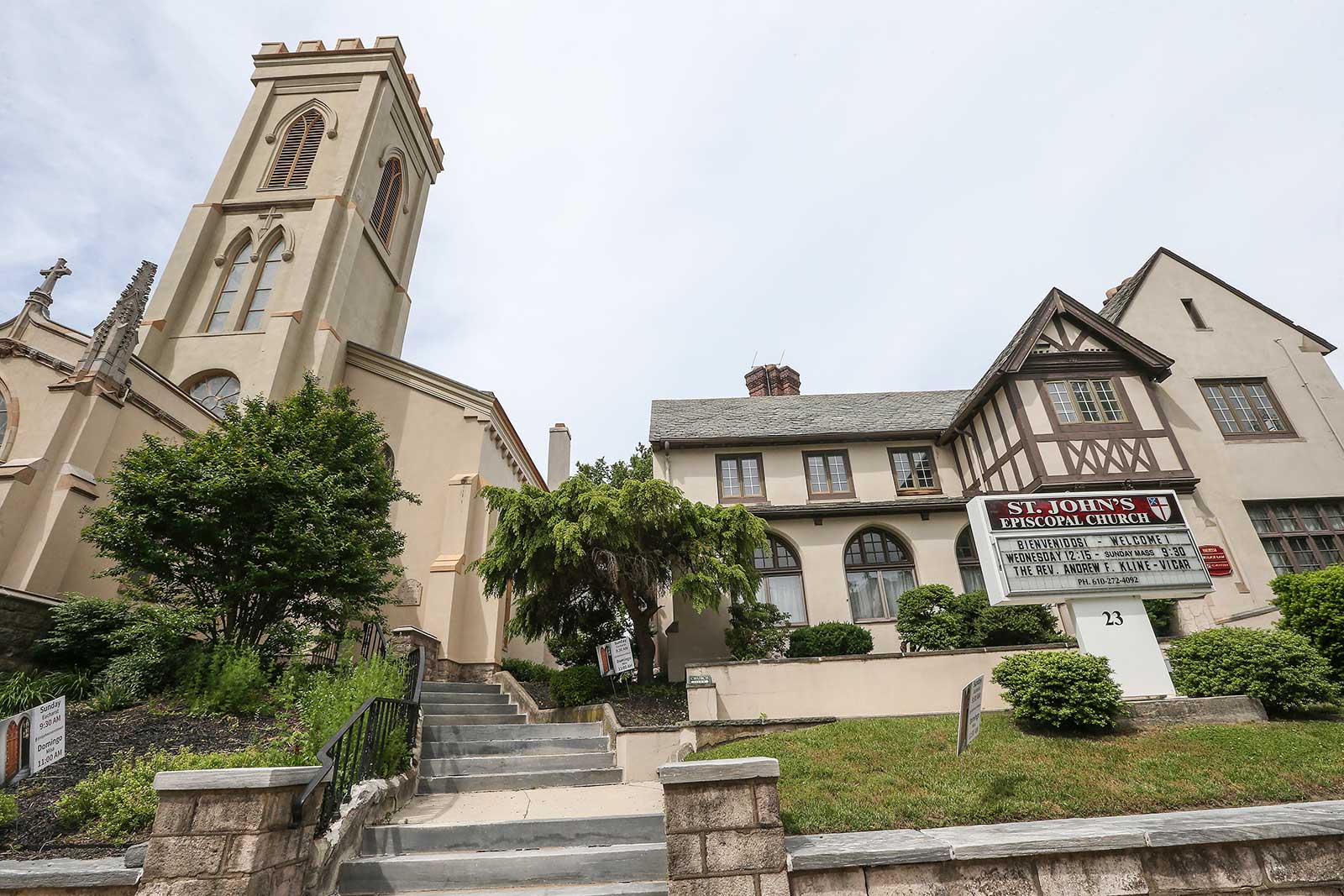
A major adaptive reuse initiative could bring more than 1,000 housing units to the Philadelphia region as church properties are redeveloped for residential use.
The Episcopal Diocese of Pennsylvania has selected The Michaels Organization as its strategic development partner to evaluate and redevelop 26 underutilized church properties across Greater Philadelphia.
The initiative, known internally as the “Transformation Initiative,” will explore converting aging church properties and underused land into a mix of market-rate, workforce, and affordable housing developments.
If fully realized, the effort could produce more than 1,000 residential units across Philadelphia and several surrounding counties.
Turning Underused Properties Into Housing
The Diocese oversees 136 congregations across southeastern Pennsylvania, but many properties have become increasingly difficult to maintain as church attendance declines and operating costs rise.
Rather than selling the properties outright, the Diocese is pursuing a strategy of repurposing them for new uses while retaining ownership of the land.
Under the partnership structure:
- the Diocese will retain control of the underlying property
- Michaels will act as the development consultant and fee developer
- completed projects will be managed by Michaels, with revenue shared with the Diocese.
Church leaders say the approach allows congregations to benefit financially while preserving their long-term presence in local communities.
A Pipeline of Potential Development Sites
While the Diocese has not publicly disclosed the full list of properties involved, several of the potential sites are located in Center City and other high-demand neighborhoods, including areas near Rittenhouse Square and Washington Square West.
Development opportunities could vary widely depending on each property.
According to project planners, potential projects may include:
- adaptive reuse of historic church structures
- redevelopment of excess land or parking areas
- mixed-income residential buildings
- community facilities integrated with housing.
Individual projects could range from 30 to 40 units in urban locations to more than 100 units on larger sites.
Next Steps for the Development Program
The partnership will begin by conducting feasibility studies and community engagement for each property before determining which sites move forward to full development.
Work on the first group of projects could begin as early as late 2026 or 2027, once planning and entitlement processes are completed.
Because of the historic nature of many church properties, redevelopment could involve complex planning considerations, including landmark preservation, zoning approvals, and neighborhood input.
A Growing Trend in Urban Redevelopment
Philadelphia’s initiative reflects a broader national trend in which religious institutions are repurposing aging buildings and underused land to address housing needs.
Across the United States, declining congregation sizes and rising maintenance costs have led many churches to explore redevelopment opportunities for their real estate assets.
Adaptive reuse projects involving churches, schools, and other institutional properties have increasingly become part of urban housing strategies in cities facing supply shortages.
Final Thoughts
The partnership between the Episcopal Diocese of Pennsylvania and The Michaels Organization represents one of the most ambitious church-to-housing redevelopment efforts currently underway in the United States.
If even a portion of the 26 sites move forward, the initiative could add hundreds of housing units while preserving historic properties and helping religious institutions sustain their long-term missions.
For Philadelphia, the program illustrates how large institutional landowners are increasingly turning to adaptive reuse development to address both financial pressures and growing housing demand.
Subscribe to Real Observer
Stay ahead of the market. Real Observer covers New York Tri-state development, capital markets, and real estate intelligence every weekday. Subscribe free →